ASX Glossary - X: Difference between revisions
Jump to navigation
Jump to search
No edit summary |
No edit summary |
||
| Line 148: | Line 148: | ||
</head> | </head> | ||
<body> | <body> | ||
<table> | |||
<tr | <tr> | ||
<td class="term | <td class="term"> | ||
<a href="https://wiki.alsresume.com/index.php?title= | <a href="https://wiki.alsresume.com/index.php?title=Aircraft_principal_axes" target="_blank" | ||
style="color: #40E0D0; font-weight: bold; text-decoration: none; cursor: pointer;" | style="color: #40E0D0; font-weight: bold; text-decoration: none; cursor: pointer;" | ||
onmouseover="this.style.color='#ff4f01';" | onmouseover="this.style.color='#ff4f01';" | ||
onmouseout="this.style.color='#40E0D0';"> | onmouseout="this.style.color='#40E0D0';">X-Axis (Longitudinal Axis)</a> | ||
</td> | |||
<td class="description">The X-axis, or longitudinal axis, runs from the nose to the tail of an aircraft. It represents the axis around which roll occurs, controlled by the ailerons. Stability along the X-axis ensures smooth banking turns. Proper design and balance along this axis contribute to an aircraft’s aerodynamics and overall flight performance.</td> | |||
<td class="image-column"><img src="https://www.alsresume.com/wp-content/uploads/2025/02/X-Axis.jpg" alt="X-Axis (Longitudinal Axis)"></td> | |||
</tr> | </tr> | ||
<tr | <tr> | ||
<td class="term"> | <td class="term"> | ||
<a href="https://wiki.alsresume.com/index.php?title= | <a href="https://wiki.alsresume.com/index.php?title=X_band" target="_blank" | ||
style="color: #40E0D0; font-weight: bold; text-decoration: none; cursor: pointer;" | style="color: #40E0D0; font-weight: bold; text-decoration: none; cursor: pointer;" | ||
onmouseover="this.style.color='#ff4f01';" | onmouseover="this.style.color='#ff4f01';" | ||
onmouseout="this.style.color='#40E0D0';"> | onmouseout="this.style.color='#40E0D0';">X-Band Radar</a> | ||
</td> | |||
<td class="description">X-band radar operates in the frequency range of 8–12 GHz. Commonly used in aviation for weather detection and navigation, it provides high-resolution images of precipitation and storm intensity. Its shorter wavelengths allow for precise mapping, making it ideal for detecting wind shear and turbulence.</td> | |||
<td class="image-column"><img src="https://www.alsresume.com/wp-content/uploads/2025/02/X-Band-Radar.jpg" alt="X-Band Radar"></td> | |||
</tr> | </tr> | ||
<tr | <tr> | ||
<td class="term"> | <td class="term"> | ||
<a href="https://wiki.alsresume.com/index.php?title= | <a href="https://wiki.alsresume.com/index.php?title=Xenon_Beacon" target="_blank" | ||
style="color: #40E0D0; font-weight: bold; text-decoration: none; cursor: pointer;" | style="color: #40E0D0; font-weight: bold; text-decoration: none; cursor: pointer;" | ||
onmouseover="this.style.color='#ff4f01';" | onmouseover="this.style.color='#ff4f01';" | ||
onmouseout="this.style.color='#40E0D0';"> | onmouseout="this.style.color='#40E0D0';">Xenon Beacon</a> | ||
</td> | |||
<td class="description">A xenon beacon is a high-intensity flashing light used on aircraft to increase visibility, particularly in emergency situations. Positioned on top or bottom of the fuselage, it alerts ground personnel and other pilots to the aircraft’s presence.</td> | |||
<td class="image-column"><img src="https://www.alsresume.com/wp-content/uploads/2025/03/Xenon-Beacon.jpg" alt="Xenon Beacon"></td> | |||
</tr> | </tr> | ||
<tr | <tr> | ||
<td class="term"> | <td class="term"> | ||
<a href="https://wiki.alsresume.com/index.php?title= | <a href="https://wiki.alsresume.com/index.php?title=X-Configuration_Cockpit" target="_blank" | ||
style="color: #40E0D0; font-weight: bold; text-decoration: none; cursor: pointer;" | style="color: #40E0D0; font-weight: bold; text-decoration: none; cursor: pointer;" | ||
onmouseover="this.style.color='#ff4f01';" | onmouseover="this.style.color='#ff4f01';" | ||
onmouseout="this.style.color='#40E0D0';"> | onmouseout="this.style.color='#40E0D0';">X-Configuration Cockpit</a> | ||
</td> | |||
<td class="description">X-configuration cockpit designs integrate advanced ergonomics, improving pilot comfort and accessibility to controls. These designs enhance situational awareness, reducing fatigue and increasing operational efficiency.</td> | |||
<td class="image-column"><img src="https://www.alsresume.com/wp-content/uploads/2025/03/Cockpit2.jpg" alt="X-Configuration Cockpit"></td> | |||
</tr> | </tr> | ||
<tr | <tr> | ||
<td class="term"> | <td class="term"> | ||
<a href="https://wiki.alsresume.com/index.php?title= | <a href="https://wiki.alsresume.com/index.php?title=Cross-country_flying" target="_blank" | ||
style="color: #40E0D0; font-weight: bold; text-decoration: none; cursor: pointer;" | style="color: #40E0D0; font-weight: bold; text-decoration: none; cursor: pointer;" | ||
onmouseover="this.style.color='#ff4f01';" | onmouseover="this.style.color='#ff4f01';" | ||
onmouseout="this.style.color='#40E0D0';"> | onmouseout="this.style.color='#40E0D0';">X-Country Flight</a> | ||
</td> | |||
<td class="description">X-country flight, short for cross-country flight, involves flying between airports located more than 50 nautical miles apart. These flights are a fundamental part of pilot training, teaching navigation skills, airspace awareness, and route planning.</td> | |||
<td class="image-column"><img src="https://www.alsresume.com/wp-content/uploads/2025/03/Cross-Country.jpg" alt="X-Country Flight"></td> | |||
</tr> | </tr> | ||
<tr | <tr> | ||
<td class="term"> | <td class="term"> | ||
<a href="https://wiki.alsresume.com/index.php?title= | <a href="https://wiki.alsresume.com/index.php?title=Bracing_(aeronautics)" target="_blank" | ||
style="color: #40E0D0; font-weight: bold; text-decoration: none; cursor: pointer;" | style="color: #40E0D0; font-weight: bold; text-decoration: none; cursor: pointer;" | ||
onmouseover="this.style.color='#ff4f01';" | onmouseover="this.style.color='#ff4f01';" | ||
onmouseout="this.style.color='#40E0D0';"> | onmouseout="this.style.color='#40E0D0';">X-Cross Bracing</a> | ||
</td> | |||
<td class="description">X-cross bracing is a structural design element used in aircraft frames to enhance rigidity and distribute loads evenly. It improves resistance to stress and deformation during flight, ensuring structural integrity.</td> | |||
<td class="image-column"><img src="https://www.alsresume.com/wp-content/uploads/2025/03/X-Bracing.jpg" alt="X-Cross Bracing"></td> | |||
</tr> | </tr> | ||
<tr> | <tr> | ||
<td class="term"> | <td class="term"> | ||
<a href="https://wiki.alsresume.com/index.php?title= | <a href="https://wiki.alsresume.com/index.php?title=X-Directional_Stability" target="_blank" | ||
style="color: #40E0D0; font-weight: bold; text-decoration: none; cursor: pointer;" | style="color: #40E0D0; font-weight: bold; text-decoration: none; cursor: pointer;" | ||
onmouseover="this.style.color='#ff4f01';" | onmouseover="this.style.color='#ff4f01';" | ||
onmouseout="this.style.color='#40E0D0';"> | onmouseout="this.style.color='#40E0D0';">X-Directional Stability</a> | ||
</td> | |||
<td class="description">X-directional stability refers to an aircraft’s ability to maintain control along its longitudinal axis. Proper stability minimizes undesired rolling motions, ensuring smooth and safe flight.</td> | |||
<td class="image-column"><img src="https://www.alsresume.com/wp-content/uploads/2025/03/X-Directional-Stability.jpg" alt="X-Directional Stability"></td> | |||
</tr> | </tr> | ||
<tr | <tr> | ||
<td class="term"> | <td class="term"> | ||
<a href="https://wiki.alsresume.com/index.php?title= | <a href="https://wiki.alsresume.com/index.php?title=Xenon_Flash_Tubes" target="_blank" | ||
style="color: #40E0D0; font-weight: bold; text-decoration: none; cursor: pointer;" | style="color: #40E0D0; font-weight: bold; text-decoration: none; cursor: pointer;" | ||
onmouseover="this.style.color='#ff4f01';" | onmouseover="this.style.color='#ff4f01';" | ||
onmouseout="this.style.color='#40E0D0';"> | onmouseout="this.style.color='#40E0D0';">Xenon Flash Tubes</a> | ||
</td> | |||
<td class="description">Xenon flash tubes are used in aviation anti-collision lights. These high-intensity light sources emit flashes that enhance aircraft visibility during day and night operations, reducing the risk of midair collisions.</td> | |||
<td class="image-column"><img src="https://www.alsresume.com/wp-content/uploads/2025/03/Xenon-Lights.jpg" alt="Xenon Flash Tubes"></td> | |||
</tr> | </tr> | ||
<tr | <tr> | ||
<td class="term"> | <td class="term"> | ||
<a href="https://wiki.alsresume.com/index.php?title= | <a href="https://wiki.alsresume.com/index.php?title=Landing_Lights" target="_blank" | ||
style="color: #40E0D0; font-weight: bold; text-decoration: none; cursor: pointer;" | style="color: #40E0D0; font-weight: bold; text-decoration: none; cursor: pointer;" | ||
onmouseover="this.style.color='#ff4f01';" | onmouseover="this.style.color='#ff4f01';" | ||
onmouseout="this.style.color='#40E0D0';"> | onmouseout="this.style.color='#40E0D0';">Xenon Landing Lights</a> | ||
</td> | |||
<td class="description">Xenon landing lights are high-intensity lights that use xenon gas to produce bright, focused beams. They improve visibility during takeoffs and landings, especially in low-light conditions. Known for their durability and energy efficiency, xenon lights are widely used in modern aircraft for enhanced runway and taxiway illumination.</td> | |||
<td class="image-column"><img src="https://www.alsresume.com/wp-content/uploads/2025/02/Xenon-Lights.jpg" alt="Xenon Landing Lights"></td> | |||
</tr> | </tr> | ||
<tr | <tr> | ||
<td class="term"> | <td class="term"> | ||
<a href="https://wiki.alsresume.com/index.php?title= | <a href="https://wiki.alsresume.com/index.php?title=Strobe_light" target="_blank" | ||
style="color: #40E0D0; font-weight: bold; text-decoration: none; cursor: pointer;" | style="color: #40E0D0; font-weight: bold; text-decoration: none; cursor: pointer;" | ||
onmouseover="this.style.color='#ff4f01';" | onmouseover="this.style.color='#ff4f01';" | ||
onmouseout="this.style.color='#40E0D0';"> | onmouseout="this.style.color='#40E0D0';">Xenon Strobe Lights</a> | ||
</td> | |||
<td class="description">Xenon strobe lights are flashing lights installed on aircraft to increase visibility during flight. Positioned on wingtips and tails, these lights help prevent collisions by making the aircraft visible to others in the airspace, especially in low-light conditions or at night.</td> | |||
<td class="image-column"><img src="https://www.alsresume.com/wp-content/uploads/2025/02/X-strobe.jpg" alt="Xenon Strobe Lights"></td> | |||
</tr> | </tr> | ||
<tr | <tr> | ||
<td class="term"> | <td class="term"> | ||
<a href="https://wiki.alsresume.com/index.php?title= | <a href="https://wiki.alsresume.com/index.php?title=XFLR5" target="_blank" | ||
style="color: #40E0D0; font-weight: bold; text-decoration: none; cursor: pointer;" | style="color: #40E0D0; font-weight: bold; text-decoration: none; cursor: pointer;" | ||
onmouseover="this.style.color='#ff4f01';" | onmouseover="this.style.color='#ff4f01';" | ||
onmouseout="this.style.color='#40E0D0';"> | onmouseout="this.style.color='#40E0D0';">XFLR5</a> | ||
</td> | |||
<td class="description">XFLR5 is an aerodynamic analysis software used for aircraft design. It calculates lift, drag, and stability characteristics, assisting engineers in optimizing airfoil shapes and wing configurations. The tool is commonly used in academic and experimental aviation projects.</td> | |||
<td class="image-column"><img src="https://www.alsresume.com/wp-content/uploads/2025/02/XFLR.jpg" alt="XFLR5"></td> | |||
</tr> | </tr> | ||
<tr | <tr> | ||
<td class="term"> | <td class="term"> | ||
<a href="https:// | <a href="https://wiki.alsresume.com/index.php?title=XFOIL" target="_blank" | ||
style="color: #40E0D0; font-weight: bold; text-decoration: none; cursor: pointer;" | style="color: #40E0D0; font-weight: bold; text-decoration: none; cursor: pointer;" | ||
onmouseover="this.style.color='#ff4f01';" | onmouseover="this.style.color='#ff4f01';" | ||
onmouseout="this.style.color='#40E0D0';"> | onmouseout="this.style.color='#40E0D0';">XFOIL</a> | ||
</td> | |||
<td class="description">XFOIL is a computational tool for analyzing airfoils, calculating performance metrics like lift-to-drag ratio and pressure distribution. It is widely used in aerodynamic research and aircraft design to optimize wing shapes for efficiency and stability.</td> | |||
<td class="image-column"><img src="https://www.alsresume.com/wp-content/uploads/2025/03/XFOIL.jpg" alt="XFOIL"></td> | |||
</tr> | </tr> | ||
<tr | <tr> | ||
<td class="term"> | <td class="term"> | ||
<a href="https://wiki.alsresume.com/index.php?title= | <a href="https://wiki.alsresume.com/index.php?title=X-Glider" target="_blank" | ||
style="color: #40E0D0; font-weight: bold; text-decoration: none; cursor: pointer;" | style="color: #40E0D0; font-weight: bold; text-decoration: none; cursor: pointer;" | ||
onmouseover="this.style.color='#ff4f01';" | onmouseover="this.style.color='#ff4f01';" | ||
onmouseout="this.style.color='#40E0D0';"> | onmouseout="this.style.color='#40E0D0';">X-Glider</a> | ||
</td> | |||
<td class="description">X-glider refers to experimental gliders designed to test advanced aerodynamic concepts. These aircraft often feature innovative wing designs and materials, contributing to breakthroughs in fuel efficiency and lift performance.</td> | |||
<td class="image-column"><img src="https://www.alsresume.com/wp-content/uploads/2025/03/X-Wing-Glider.jpg" alt="X-Glider"></td> | |||
</tr> | </tr> | ||
<tr | <tr> | ||
<td class="term"> | <td class="term"> | ||
<a href="https://wiki.alsresume.com/index.php?title= | <a href="https://wiki.alsresume.com/index.php?title=X-Load_Factor" target="_blank" | ||
style="color: #40E0D0; font-weight: bold; text-decoration: none; cursor: pointer;" | style="color: #40E0D0; font-weight: bold; text-decoration: none; cursor: pointer;" | ||
onmouseover="this.style.color='#ff4f01';" | onmouseover="this.style.color='#ff4f01';" | ||
onmouseout="this.style.color='#40E0D0';"> | onmouseout="this.style.color='#40E0D0';">X-Load Factor</a> | ||
</td> | |||
<td class="description">X-load factor describes the maximum load an aircraft can sustain along the longitudinal axis without structural failure. It is a critical parameter in designing safe and durable aircraft.</td> | |||
<td class="image-column"><img src="https://www.alsresume.com/wp-content/uploads/2025/03/XLoad.jpg" alt="X-Load Factor"></td> | |||
</tr> | </tr> | ||
<tr | <tr> | ||
<td class="term"> | <td class="term"> | ||
<a href="https://wiki.alsresume.com/index.php?title= | <a href="https://wiki.alsresume.com/index.php?title=List_of_X-planes" target="_blank" | ||
style="color: #40E0D0; font-weight: bold; text-decoration: none; cursor: pointer;" | style="color: #40E0D0; font-weight: bold; text-decoration: none; cursor: pointer;" | ||
onmouseover="this.style.color='#ff4f01';" | onmouseover="this.style.color='#ff4f01';" | ||
onmouseout="this.style.color='#40E0D0';"> | onmouseout="this.style.color='#40E0D0';">X-Plane</a> | ||
</td> | |||
<td class="description">X-plane refers to experimental aircraft developed to test advanced technologies and designs. Examples include the X-1, which broke the sound barrier, and the X-15, which explored hypersonic flight. These aircraft contribute to significant breakthroughs in aerodynamics, propulsion, and materials science, shaping the future of aviation.</td> | |||
<td class="image-column"><img src="https://www.alsresume.com/wp-content/uploads/2025/02/X-plane.jpg" alt="X-Plane"></td> | |||
</tr> | </tr> | ||
<tr | <tr> | ||
<td class="term"> | <td class="term"> | ||
<a href="https://wiki.alsresume.com/index.php?title= | <a href="https://wiki.alsresume.com/index.php?title=Avionics" target="_blank" | ||
style="color: #40E0D0; font-weight: bold; text-decoration: none; cursor: pointer;" | style="color: #40E0D0; font-weight: bold; text-decoration: none; cursor: pointer;" | ||
onmouseover="this.style.color='#ff4f01';" | onmouseover="this.style.color='#ff4f01';" | ||
onmouseout="this.style.color='#40E0D0';"> | onmouseout="this.style.color='#40E0D0';">X-Range Navigation</a> | ||
</td> | |||
<td class="description">X-range navigation refers to extended-range flight planning for long-haul operations. It includes fuel calculations, alternate airport selection, and contingency plans, ensuring safe operations on routes with limited en-route diversion options.</td> | |||
<td class="image-column"><img src="https://www.alsresume.com/wp-content/uploads/2025/03/X-Range-Navigation.jpg" alt="X-Range Navigation"></td> | |||
</tr> | </tr> | ||
<tr | <tr> | ||
<td class="term"> | <td class="term"> | ||
<a href="https://wiki.alsresume.com/index.php?title= | <a href="https://wiki.alsresume.com/index.php?title=X-ray_Fluorescence" target="_blank" | ||
style="color: #40E0D0; font-weight: bold; text-decoration: none; cursor: pointer;" | style="color: #40E0D0; font-weight: bold; text-decoration: none; cursor: pointer;" | ||
onmouseover="this.style.color='#ff4f01';" | onmouseover="this.style.color='#ff4f01';" | ||
onmouseout="this.style.color='#40E0D0';"> | onmouseout="this.style.color='#40E0D0';">X-Ray Fluorescence (XRF)</a> | ||
</td> | |||
<td class="description">XRF is a material analysis method used in aviation to verify the composition of metals and alloys. It ensures that components meet stringent manufacturing standards and are free of contaminants or defects, contributing to aircraft safety and reliability.</td> | |||
<td class="image-column"><img src="https://www.alsresume.com/wp-content/uploads/2025/03/XRay.jpg" alt="X-Ray Fluorescence (XRF)"></td> | |||
</tr> | </tr> | ||
<tr | <tr> | ||
<td class="term"> | <td class="term"> | ||
<a href="https://wiki.alsresume.com/index.php?title= | <a href="https://wiki.alsresume.com/index.php?title=X-Ray_Baggage_Scanners" target="_blank" | ||
style="color: #40E0D0; font-weight: bold; text-decoration: none; cursor: pointer;" | style="color: #40E0D0; font-weight: bold; text-decoration: none; cursor: pointer;" | ||
onmouseover="this.style.color='#ff4f01';" | onmouseover="this.style.color='#ff4f01';" | ||
onmouseout="this.style.color='#40E0D0';"> | onmouseout="this.style.color='#40E0D0';">X-Ray Baggage Scanners</a> | ||
</td> | |||
<td class="description">X-ray baggage scanners are used at airports to screen luggage for prohibited items. They provide detailed images of bag contents, enhancing security by detecting weapons, explosives, and other dangerous materials before boarding.</td> | |||
<td class="image-column"><img src="https://www.alsresume.com/wp-content/uploads/2025/03/Luggage-X-Ray.jpg" alt="X-Ray Baggage Scanners"></td> | |||
</tr> | </tr> | ||
<tr | <tr> | ||
<td class="term"> | <td class="term"> | ||
<a href="https://wiki.alsresume.com/index.php?title= | <a href="https://wiki.alsresume.com/index.php?title=X-Ray_Inspection" target="_blank" | ||
style="color: #40E0D0; font-weight: bold; text-decoration: none; cursor: pointer;" | style="color: #40E0D0; font-weight: bold; text-decoration: none; cursor: pointer;" | ||
onmouseover="this.style.color='#ff4f01';" | onmouseover="this.style.color='#ff4f01';" | ||
onmouseout="this.style.color='#40E0D0';"> | onmouseout="this.style.color='#40E0D0';">X-Ray Inspection</a> | ||
</td> | |||
<td class="description">X-ray inspection is a non-destructive testing method used in aviation to detect internal flaws in materials and components. It identifies cracks, corrosion, and structural weaknesses in airframes, engines, and landing gear without disassembly. This technique ensures aircraft integrity and safety through routine maintenance and inspections.</td> | |||
<td class="image-column"><img src="https://www.alsresume.com/wp-content/uploads/2025/02/X-Ray.jpg" alt="X-Ray Inspection"></td> | |||
</tr> | </tr> | ||
<tr | <tr> | ||
<td class="term"> | <td class="term"> | ||
<a href="https://wiki.alsresume.com/index.php?title= | <a href="https://wiki.alsresume.com/index.php?title=Lockheed_XFV" target="_blank" | ||
style="color: #40E0D0; font-weight: bold; text-decoration: none; cursor: pointer;" | style="color: #40E0D0; font-weight: bold; text-decoration: none; cursor: pointer;" | ||
onmouseover="this.style.color='#ff4f01';" | onmouseover="this.style.color='#ff4f01';" | ||
onmouseout="this.style.color='#40E0D0';"> | onmouseout="this.style.color='#40E0D0';">X-Tail Configuration</a> | ||
</td> | |||
<td class="description">An X-tail configuration combines horizontal and vertical stabilizers into four surfaces forming an “X” shape. It is used in certain military drones and advanced aircraft designs to improve aerodynamics, reduce radar visibility, and enhance maneuverability.</td> | |||
<td class="image-column"><img src="https://www.alsresume.com/wp-content/uploads/2025/02/Xtail.jpg" alt="X-Tail Configuration"></td> | |||
</tr> | </tr> | ||
<tr | <tr> | ||
<td class="term"> | <td class="term"> | ||
<a href="https://wiki.alsresume.com/index.php?title= | <a href="https://wiki.alsresume.com/index.php?title=X-Terrain_Mapping" target="_blank" | ||
style="color: #40E0D0; font-weight: bold; text-decoration: none; cursor: pointer;" | style="color: #40E0D0; font-weight: bold; text-decoration: none; cursor: pointer;" | ||
onmouseover="this.style.color='#ff4f01';" | onmouseover="this.style.color='#ff4f01';" | ||
onmouseout="this.style.color='#40E0D0';"> | onmouseout="this.style.color='#40E0D0';">X-Terrain Mapping</a> | ||
</td> | |||
<td class="description">X-terrain mapping uses radar and lidar systems to create detailed topographical maps for aviation applications. It assists in obstacle avoidance, flight planning, and precision approaches in challenging environments.</td> | |||
<td class="image-column"><img src="https://www.alsresume.com/wp-content/uploads/2025/03/X-Terrain.jpg" alt="X-Terrain Mapping"></td> | |||
</tr> | </tr> | ||
<tr> | |||
<td class="term"> | <td class="term"> | ||
<a href="https://wiki.alsresume.com/index.php?title= | <a href="https://wiki.alsresume.com/index.php?title=X-Wind_Takeoff" target="_blank" | ||
style="color: #40E0D0; font-weight: bold; text-decoration: none; cursor: pointer;" | style="color: #40E0D0; font-weight: bold; text-decoration: none; cursor: pointer;" | ||
onmouseover="this.style.color='#ff4f01';" | onmouseover="this.style.color='#ff4f01';" | ||
onmouseout="this.style.color='#40E0D0';"> | onmouseout="this.style.color='#40E0D0';">X-Wind (Crosswind)</a> | ||
</td> | |||
<td class="description">Crosswind refers to wind blowing perpendicular to an aircraft’s flight path or runway. Pilots use crosswind landing techniques, such as crab or sideslip, to maintain control during approach and touchdown. Understanding crosswind conditions is critical for safe takeoffs and landings, especially in high-wind scenarios.</td> | |||
<td class="image-column"><img src="https://www.alsresume.com/wp-content/uploads/2025/02/X-wind.jpg" alt="X-Wind (Crosswind)"></td> | |||
</tr> | </tr> | ||
<tr | <tr> | ||
<td class="term"> | <td class="term"> | ||
<a href="https://wiki.alsresume.com/index.php?title= | <a href="https://wiki.alsresume.com/index.php?title=X-Wind_Takeoff" target="_blank" | ||
style="color: #40E0D0; font-weight: bold; text-decoration: none; cursor: pointer;" | style="color: #40E0D0; font-weight: bold; text-decoration: none; cursor: pointer;" | ||
onmouseover="this.style.color='#ff4f01';" | onmouseover="this.style.color='#ff4f01';" | ||
onmouseout="this.style.color='#40E0D0';"> | onmouseout="this.style.color='#40E0D0';">X-Wind Takeoff</a> | ||
</td> | |||
<td class="description">A crosswind takeoff occurs when an aircraft departs with wind blowing perpendicular to the runway. Pilots use rudder and aileron inputs to counteract wind drift, ensuring a straight climb-out. Crosswind takeoffs require careful control to prevent veering off the runway.</td> | |||
<td class="image-column"><img src="https://www.alsresume.com/wp-content/uploads/2025/03/XWind-Takeoff.jpg" alt="X-Wind Takeoff"></td> | |||
</tr> | </tr> | ||
<tr | <tr> | ||
<td class="term"> | <td class="term"> | ||
<a href="https://wiki.alsresume.com/index.php?title= | <a href="https://wiki.alsresume.com/index.php?title=X-Wing_Aircraft" target="_blank" | ||
style="color: #40E0D0; font-weight: bold; text-decoration: none; cursor: pointer;" | style="color: #40E0D0; font-weight: bold; text-decoration: none; cursor: pointer;" | ||
onmouseover="this.style.color='#ff4f01';" | onmouseover="this.style.color='#ff4f01';" | ||
onmouseout="this.style.color='#40E0D0';"> | onmouseout="this.style.color='#40E0D0';">X-Wing Aircraft</a> | ||
</td> | |||
<td class="description">X-wing aircraft feature variable geometry wings that can pivot for vertical takeoff and forward flight. This innovative design is used in experimental and military applications to combine the benefits of fixed-wing speed and rotary-wing maneuverability.</td> | |||
<td class="image-column"><img src="https://www.alsresume.com/wp-content/uploads/2025/03/X-wing.jpg" alt="X-Wing Aircraft"></td> | |||
</tr> | </tr> | ||
<tr | <tr> | ||
<td class="term"> | <td class="term"> | ||
<a href="https://wiki.alsresume.com/index.php?title= | <a href="https://wiki.alsresume.com/index.php?title=Crosswind" target="_blank" | ||
style="color: #40E0D0; font-weight: bold; text-decoration: none; cursor: pointer;" | style="color: #40E0D0; font-weight: bold; text-decoration: none; cursor: pointer;" | ||
onmouseover="this.style.color='#ff4f01';" | onmouseover="this.style.color='#ff4f01';" | ||
onmouseout="this.style.color='#40E0D0';"> | onmouseout="this.style.color='#40E0D0';">X-Wind Component</a> | ||
</td> | |||
<td class="description">The crosswind component measures the perpendicular force of wind on an aircraft during takeoff or landing. Pilots calculate crosswind components to determine safe operating conditions and apply appropriate controls to counteract drift.</td> | |||
<td class="image-column"><img src="https://www.alsresume.com/wp-content/uploads/2025/03/Crosswind-Component.jpg" alt="X-Wind Component"></td> | |||
</tr> | </tr> | ||
<tr | <tr> | ||
<td class="term"> | <td class="term"> | ||
<a href="https://wiki.alsresume.com/index.php?title= | <a href="https://wiki.alsresume.com/index.php?title=X-Side_Loading" target="_blank" | ||
style="color: #40E0D0; font-weight: bold; text-decoration: none; cursor: pointer;" | style="color: #40E0D0; font-weight: bold; text-decoration: none; cursor: pointer;" | ||
onmouseover="this.style.color='#ff4f01';" | onmouseover="this.style.color='#ff4f01';" | ||
onmouseout="this.style.color='#40E0D0';"> | onmouseout="this.style.color='#40E0D0';">X-Side Loading</a> | ||
</td> | |||
<td class="description">X-side loading occurs when lateral forces stress an aircraft’s landing gear during crosswind landings. Pilots manage these forces through precise control inputs to prevent structural damage or instability.</td> | |||
<td class="image-column"><img src="https://www.alsresume.com/wp-content/uploads/2025/03/Side-Loading.jpg" alt="X-Side Loading"></td> | |||
</tr> | </tr> | ||
<tr | <tr> | ||
<td class="term"> | <td class="term"> | ||
<a href="https://wiki.alsresume.com/index.php?title= | <a href="https://wiki.alsresume.com/index.php?title=X-Twin_Engine_Layout" target="_blank" | ||
style="color: #40E0D0; font-weight: bold; text-decoration: none; cursor: pointer;" | style="color: #40E0D0; font-weight: bold; text-decoration: none; cursor: pointer;" | ||
onmouseover="this.style.color='#ff4f01';" | onmouseover="this.style.color='#ff4f01';" | ||
onmouseout="this.style.color='#40E0D0';"> | onmouseout="this.style.color='#40E0D0';">X-Twin Engine Layout</a> | ||
</td> | |||
<td class="description">X-twin engine layout refers to a twin-engine aircraft configuration where engines are mounted symmetrically along the fuselage. This design balances thrust and minimizes asymmetric forces in the event of an engine failure.</td> | |||
<td class="image-column"><img src="https://www.alsresume.com/wp-content/uploads/2025/03/Twin.jpg" alt="X-Twin Engine Layout"></td> | |||
</tr> | </tr> | ||
<tr | <tr> | ||
<td class="term"> | <td class="term"> | ||
<a href="https://wiki.alsresume.com/index.php?title= | <a href="https://wiki.alsresume.com/index.php?title=X-Vortex_Flow" target="_blank" | ||
style="color: #40E0D0; font-weight: bold; text-decoration: none; cursor: pointer;" | style="color: #40E0D0; font-weight: bold; text-decoration: none; cursor: pointer;" | ||
onmouseover="this.style.color='#ff4f01';" | onmouseover="this.style.color='#ff4f01';" | ||
onmouseout="this.style.color='#40E0D0';"> | onmouseout="this.style.color='#40E0D0';">X-Vortex Flow</a> | ||
</td> | |||
<td class="description">X-vortex flow refers to the swirling motion of air induced by certain wing shapes or configurations. Engineers study vortex flow to improve lift characteristics and reduce drag.</td> | |||
<td class="image-column"><img src="https://www.alsresume.com/wp-content/uploads/2025/03/X-Vortex.jpg" alt="X-Vortex Flow"></td> | |||
</tr> | </tr> | ||
<tr | <tr> | ||
<td class="term"> | <td class="term"> | ||
<a href="https://wiki.alsresume.com/index.php?title= | <a href="https://wiki.alsresume.com/index.php?title=Wind_shear" target="_blank" | ||
style="color: #40E0D0; font-weight: bold; text-decoration: none; cursor: pointer;" | style="color: #40E0D0; font-weight: bold; text-decoration: none; cursor: pointer;" | ||
onmouseover="this.style.color='#ff4f01';" | onmouseover="this.style.color='#ff4f01';" | ||
onmouseout="this.style.color='#40E0D0';"> | onmouseout="this.style.color='#40E0D0';">X-Wind Shear</a> | ||
</td> | |||
<td class="description">X-wind shear describes a sudden change in crosswind speed or direction, affecting aircraft stability. Pilots rely on onboard systems and training to mitigate wind shear effects during critical flight phases like takeoff and landing.</td> | |||
<td class="image-column"><img src="https://www.alsresume.com/wp-content/uploads/2025/03/X-wind-shear.jpg" alt="X-Wind Shear"></td> | |||
</tr> | </tr> | ||
</table> | |||
</body> | </body> | ||
</html> | </html> | ||
Latest revision as of 19:41, 23 April 2025

| Click on term for full definition | Click here to report corrections and content addition requests |
| X-Axis (Longitudinal Axis) | The X-axis, or longitudinal axis, runs from the nose to the tail of an aircraft. It represents the axis around which roll occurs, controlled by the ailerons. Stability along the X-axis ensures smooth banking turns. Proper design and balance along this axis contribute to an aircraft’s aerodynamics and overall flight performance. | 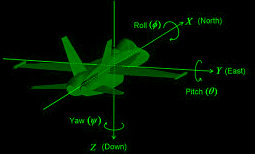 |
| X-Band Radar | X-band radar operates in the frequency range of 8–12 GHz. Commonly used in aviation for weather detection and navigation, it provides high-resolution images of precipitation and storm intensity. Its shorter wavelengths allow for precise mapping, making it ideal for detecting wind shear and turbulence. | 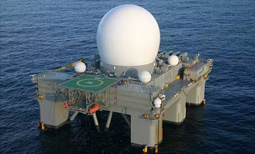 |
| Xenon Beacon | A xenon beacon is a high-intensity flashing light used on aircraft to increase visibility, particularly in emergency situations. Positioned on top or bottom of the fuselage, it alerts ground personnel and other pilots to the aircraft’s presence. |  |
| X-Configuration Cockpit | X-configuration cockpit designs integrate advanced ergonomics, improving pilot comfort and accessibility to controls. These designs enhance situational awareness, reducing fatigue and increasing operational efficiency. | 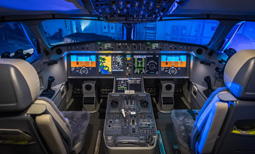 |
| X-Country Flight | X-country flight, short for cross-country flight, involves flying between airports located more than 50 nautical miles apart. These flights are a fundamental part of pilot training, teaching navigation skills, airspace awareness, and route planning. |  |
| X-Cross Bracing | X-cross bracing is a structural design element used in aircraft frames to enhance rigidity and distribute loads evenly. It improves resistance to stress and deformation during flight, ensuring structural integrity. | 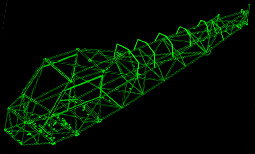 |
| X-Directional Stability | X-directional stability refers to an aircraft’s ability to maintain control along its longitudinal axis. Proper stability minimizes undesired rolling motions, ensuring smooth and safe flight. | 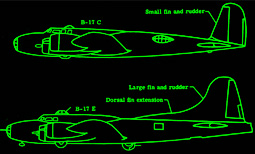 |
| Xenon Flash Tubes | Xenon flash tubes are used in aviation anti-collision lights. These high-intensity light sources emit flashes that enhance aircraft visibility during day and night operations, reducing the risk of midair collisions. | 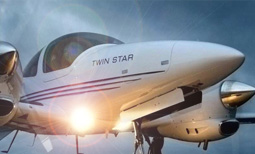 |
| Xenon Landing Lights | Xenon landing lights are high-intensity lights that use xenon gas to produce bright, focused beams. They improve visibility during takeoffs and landings, especially in low-light conditions. Known for their durability and energy efficiency, xenon lights are widely used in modern aircraft for enhanced runway and taxiway illumination. | 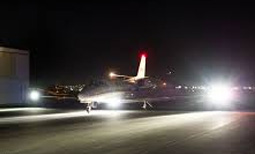 |
| Xenon Strobe Lights | Xenon strobe lights are flashing lights installed on aircraft to increase visibility during flight. Positioned on wingtips and tails, these lights help prevent collisions by making the aircraft visible to others in the airspace, especially in low-light conditions or at night. | 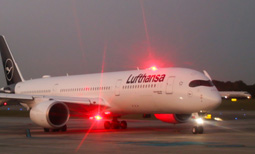 |
| XFLR5 | XFLR5 is an aerodynamic analysis software used for aircraft design. It calculates lift, drag, and stability characteristics, assisting engineers in optimizing airfoil shapes and wing configurations. The tool is commonly used in academic and experimental aviation projects. | 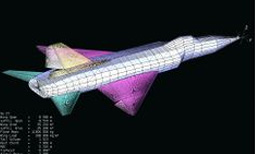 |
| XFOIL | XFOIL is a computational tool for analyzing airfoils, calculating performance metrics like lift-to-drag ratio and pressure distribution. It is widely used in aerodynamic research and aircraft design to optimize wing shapes for efficiency and stability. | 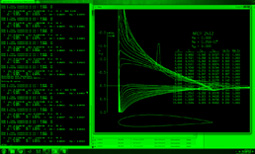 |
| X-Glider | X-glider refers to experimental gliders designed to test advanced aerodynamic concepts. These aircraft often feature innovative wing designs and materials, contributing to breakthroughs in fuel efficiency and lift performance. |  |
| X-Load Factor | X-load factor describes the maximum load an aircraft can sustain along the longitudinal axis without structural failure. It is a critical parameter in designing safe and durable aircraft. |  |
| X-Plane | X-plane refers to experimental aircraft developed to test advanced technologies and designs. Examples include the X-1, which broke the sound barrier, and the X-15, which explored hypersonic flight. These aircraft contribute to significant breakthroughs in aerodynamics, propulsion, and materials science, shaping the future of aviation. | 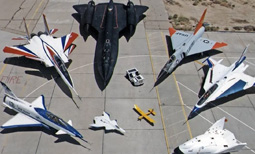 |
| X-Range Navigation | X-range navigation refers to extended-range flight planning for long-haul operations. It includes fuel calculations, alternate airport selection, and contingency plans, ensuring safe operations on routes with limited en-route diversion options. | 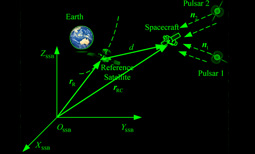 |
| X-Ray Fluorescence (XRF) | XRF is a material analysis method used in aviation to verify the composition of metals and alloys. It ensures that components meet stringent manufacturing standards and are free of contaminants or defects, contributing to aircraft safety and reliability. | 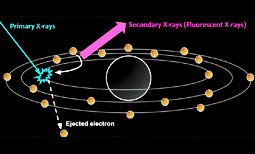 |
| X-Ray Baggage Scanners | X-ray baggage scanners are used at airports to screen luggage for prohibited items. They provide detailed images of bag contents, enhancing security by detecting weapons, explosives, and other dangerous materials before boarding. | 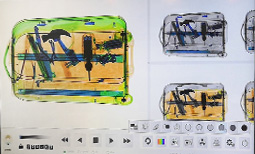 |
| X-Ray Inspection | X-ray inspection is a non-destructive testing method used in aviation to detect internal flaws in materials and components. It identifies cracks, corrosion, and structural weaknesses in airframes, engines, and landing gear without disassembly. This technique ensures aircraft integrity and safety through routine maintenance and inspections. |  |
| X-Tail Configuration | An X-tail configuration combines horizontal and vertical stabilizers into four surfaces forming an “X” shape. It is used in certain military drones and advanced aircraft designs to improve aerodynamics, reduce radar visibility, and enhance maneuverability. | 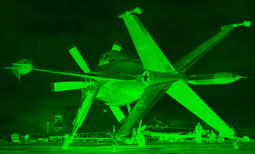 |
| X-Terrain Mapping | X-terrain mapping uses radar and lidar systems to create detailed topographical maps for aviation applications. It assists in obstacle avoidance, flight planning, and precision approaches in challenging environments. | 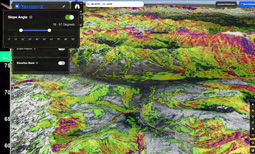 |
| X-Wind (Crosswind) | Crosswind refers to wind blowing perpendicular to an aircraft’s flight path or runway. Pilots use crosswind landing techniques, such as crab or sideslip, to maintain control during approach and touchdown. Understanding crosswind conditions is critical for safe takeoffs and landings, especially in high-wind scenarios. | 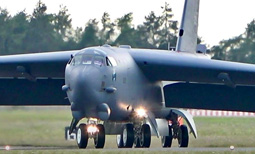 |
| X-Wind Takeoff | A crosswind takeoff occurs when an aircraft departs with wind blowing perpendicular to the runway. Pilots use rudder and aileron inputs to counteract wind drift, ensuring a straight climb-out. Crosswind takeoffs require careful control to prevent veering off the runway. | 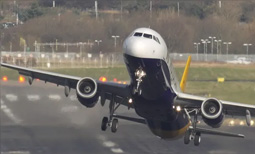 |
| X-Wing Aircraft | X-wing aircraft feature variable geometry wings that can pivot for vertical takeoff and forward flight. This innovative design is used in experimental and military applications to combine the benefits of fixed-wing speed and rotary-wing maneuverability. | 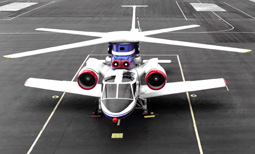 |
| X-Wind Component | The crosswind component measures the perpendicular force of wind on an aircraft during takeoff or landing. Pilots calculate crosswind components to determine safe operating conditions and apply appropriate controls to counteract drift. | 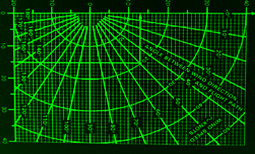 |
| X-Side Loading | X-side loading occurs when lateral forces stress an aircraft’s landing gear during crosswind landings. Pilots manage these forces through precise control inputs to prevent structural damage or instability. | 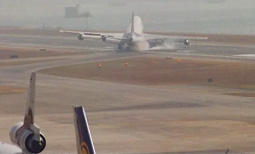 |
| X-Twin Engine Layout | X-twin engine layout refers to a twin-engine aircraft configuration where engines are mounted symmetrically along the fuselage. This design balances thrust and minimizes asymmetric forces in the event of an engine failure. |  |
| X-Vortex Flow | X-vortex flow refers to the swirling motion of air induced by certain wing shapes or configurations. Engineers study vortex flow to improve lift characteristics and reduce drag. |  |
| X-Wind Shear | X-wind shear describes a sudden change in crosswind speed or direction, affecting aircraft stability. Pilots rely on onboard systems and training to mitigate wind shear effects during critical flight phases like takeoff and landing. |  |
